Veterinarians Without Borders announces winners of first-ever U.S. Animals & Ales Pet Photo Contest
The results are in!
We are pleased to announce the receipt of a $66,877 grant from the Food and Agriculture Organization (FAO) to support the Emergency Locusts and Other Pests Response Project (ELRP) in Aweil North, Northern Bahr El Ghazal, South Sudan.
VWB is thrilled to announce the launch of its first ever Rabies Awareness and Education Program, funded by the CFIA.
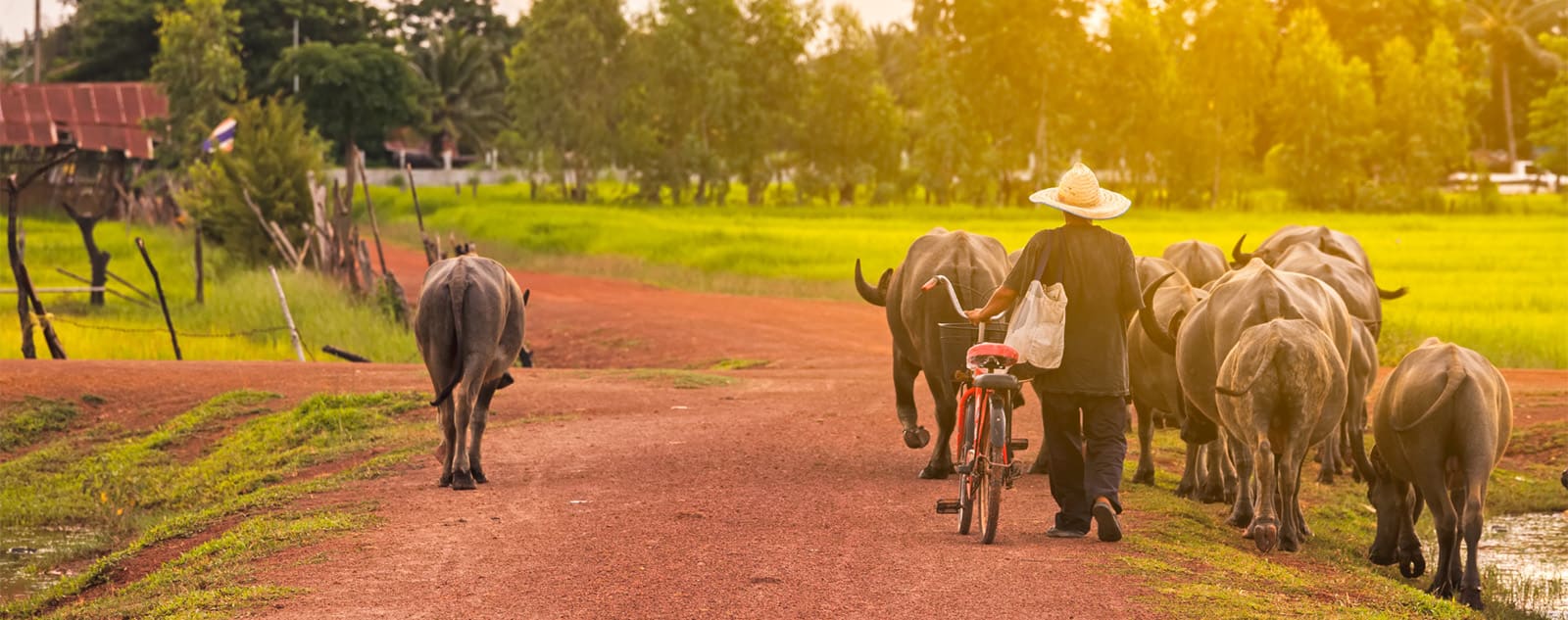
#VETSVolunteerVoices aims to bring you the stories of our passionate VETS program volunteers from the field. This blog (part 3 of 3) was contributed by Izabela Wlodarczyk, a Communications Volunteer with our VETS program in Laos (Feb-June 2024).
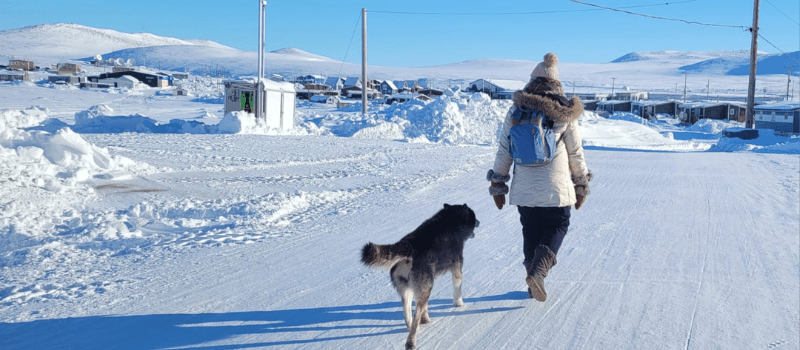
VWB's Animals & Ales Photo Contest has officially launched in the U.S. for the first time ever!
Recently, Veterinarians Without Borders North America's (VWB) Ukraine Program Manager, Daria Kuznetsova, visited the Patron Pet Center in Kyiv.
Our latest expert is John Peaveler, VWB's International Companion Animal & Humanitarian Response Specialist. With over 19 years of global experience, John specializes in the fields of free-roaming animal management, disaster response, and animal handling and capture. He shares lessons learned in organizing emergency response efforts for animals and communities in crisis.
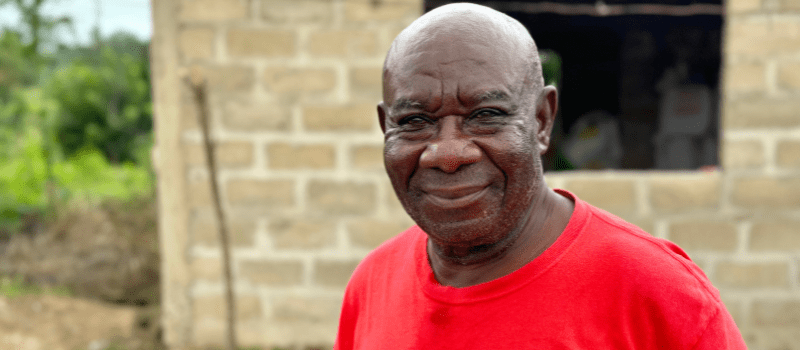
#VETSVolunteerVoices aims to bring you the stories of our passionate VETS program volunteers from the field. This blog was written by Karissa Gall, a Gender Advisor Volunteer in Ghana who worked with our partner, SEND, in January 2024.
As we mark the International Day of Biological Diversity on May 22nd, it’s the perfect time to reflect on the links between human, animal, and environmental health. In this article, VWB/VSF Board Member, Dr. Anna MacKay (DVM, MSc) discusses climate change, zoonoses, and the critical need for biodiversity.
As wildfires rage across Western Canada, VWB is helping evacuating community members and animals impacted by the blazes.
As the International Year of Rangelands and Pastoralists unfolds, VWB explores why mobility is not a barrier to care — but a blueprint for designing resilient, equitable animal health systems in rangeland and remote communities.
Khadia Diallo’s story reveals how women Community Animal Health Workers in rural Senegal are strengthening disease prevention from the ground up — caring for animals, supporting families, and translating One Health principles into everyday practice through the COHERS program.
A community awareness event in rural Senegal offers a window into how local partners and Community Animal Health Workers are building a culture of prevention through dialogue, trust, and repeated engagement under the COHERS program.