Veterinarians Without Borders North America offers support for pet guardians and animals affected by wildfires in Jasper & other areas of Alberta
VWB is responding to wildfires across Alberta, including in Jasper
VWB is responding to ongoing wildfire evacuation efforts in response to wildfires near the community of Fort Good Hope
We are pleased to announce the receipt of a $66,877 grant from the Food and Agriculture Organization (FAO) to support the Emergency Locusts and Other Pests Response Project (ELRP) in Aweil North, Northern Bahr El Ghazal, South Sudan.
VWB is thrilled to announce the launch of its first ever Rabies Awareness and Education Program, funded by the CFIA.
VWB's Animals & Ales Photo Contest has officially launched in the U.S. for the first time ever!
As wildfires rage across Western Canada, VWB is helping evacuating community members and animals impacted by the blazes.
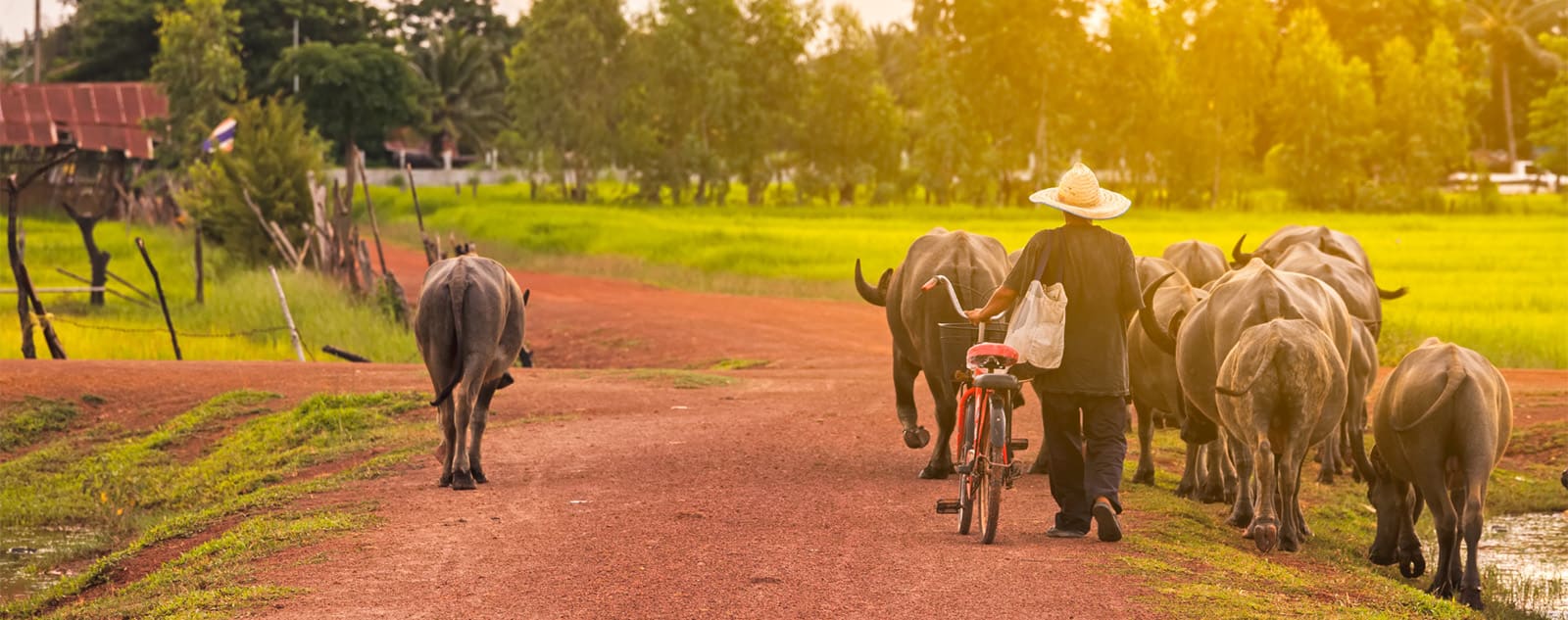
We are pleased to announce the receipt of a grant of US $400,000 over two years from the Zoetis Foundation to reinforce our efforts in supporting vulnerable livestock farmers in South Sudan.
Our Animals & Ales photo contest is back! And even bigger.
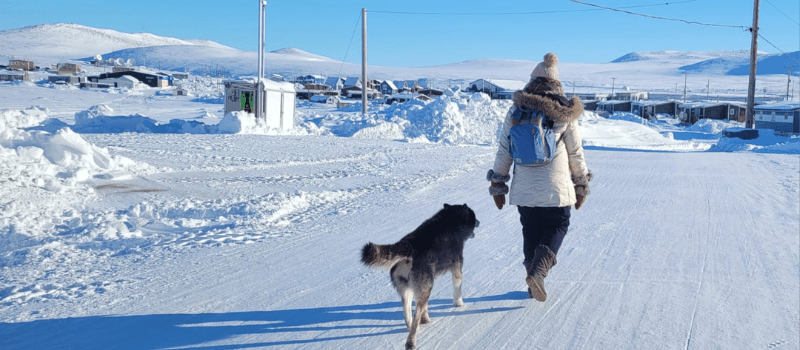
We are thrilled to launch the first ever veterinary telehealth program in Canada, which will serve remote communities across the Northwest Territories and Nunavut that have limited access to veterinary care.
#VETSVolunteerVoices brings you stories of our passionate VETS program volunteers. Meet Kavitha Misra, a Gender Advisor in Vietnam from February 2021 to October 2023. Drawing on her volunteer experience — and her ongoing role as VWB’s Gender Advisor — Kavitha reflects on how her placement shaped her confidence, perspective, and approach to gender-responsive One Health work.
A community awareness event in rural Senegal offers a window into how local partners and Community Animal Health Workers are building a culture of prevention through dialogue, trust, and repeated engagement under the COHERS program.
A mass vaccination campaign in rural Senegal reveals how Community Animal Health Workers are strengthening prevention, extending veterinary services, and protecting livelihoods in hard-to-reach communities through the COHERS program.